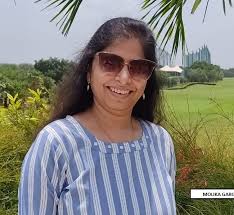
Today morning as I sat in my quiet apartment, my hands trembling as I sipped on a cup of tea that had long since gone cold. My thoughts raced back to the moment I received the call from my father last Friday. It had been a typical day—work deadlines, meetings, and the humdrum of daily life—until my phone buzzed with a sense of urgency I couldn’t ignore.
“Molika, your mother… she had a stroke. It’s serious. We’re at the hospital,” my father’s voice, usually composed despite his age, cracked with worry.
The minutes following that call blurred into a haze of panic and preparation. I packed a bag with trembling hands, booked the earliest flight to Lucknow, and hurried to the airport. The nine-hours, despite being within the same country, felt like an eternity. Every passing moment amplified my guilt for not being there sooner, for not living closer, for not being able to foresee this nightmare.
When I finally reached the hospital, the sight of my mother hooked up to monitors and IV drips shattered me. My father, still working tirelessly in his 70s, stood by the bedside, his face etched with exhaustion and worry. I hugged him tightly, both of us drawing strength from each other in that moment of shared vulnerability.
“She’s stable now, but the doctors say the road to recovery will be long,” he said, his voice tinged with both relief and concern.
The past week had been a whirlwind at hospital, doctor consultations, and sleepless nights. I had taken time off work, my colleagues understanding but distant and my boss, being genuinely supportive. The guilt of abandoning my responsibilities at work nagged at me, but my heart wouldn’t let me leave my mother’s side.
My days were spent helping my mother with her basic movement, helping her eat, and making the atmosphere lighter. My nights were a different story. Just awake even with even the slightest of her movement or cough, while I wrestled with my emotions under the sheet lying on the sofa next to her. The fear of losing my mother, the anxiety of not doing enough, and the overwhelming sense of incompleteness weighed heavily on me.
I’ve always been a giver, a nurturer. I have a small circle of loved ones, and I would move mountains for them. But now, as I have also stepped in middle age, single and living miles away from my aging parents, I questioned whether I had made the right choices in life. My mother’s stroke had brought my insecurities to the surface, and I couldn’t escape the nagging thought that I had failed in some way.
My father, a man of quiet resilience, tried to assure me. “You’re here now, that’s what matters. We’ll get through this together.”
But I couldn’t shake the feeling that my efforts were falling short. I watched my father juggle at hospital, household chores, and caregiving with the same determination he had shown throughout his life. I admired his strength but also worried about the toll it was taking on him.
Late at night, I found myself scrolling through photos on my phone—memories of family trips, birthdays, and festivals. In every picture, my mother’s smile radiated warmth and love. She is the glue that held our family together, the one who had always put others before herself. Now it was my turn to step up, but I felt like I was falling apart.
One evening, as I sat by my mother’s bedside, her weak hand reached out to touch mine.
“Don’t carry the world on your shoulders, beta,” she said softly. Her speech was slower now, deliberate, as if each word carried immense weight. “You’re doing enough. More than enough.”
Tears welled up in my eyes. “But I feel so helpless, Ma. I should have been here sooner. I should have…”
She interrupted me with a faint smile. “Life isn’t about should haves. It’s about what we do now. You’re here, and that’s what matters.”
Those words stayed with me. I realized that I had been so consumed by my guilt and anxiety that I hadn’t acknowledged the strength it took to drop everything and be there for my mother. I had always been my harshest critic, but perhaps it was time to show myself the same compassion I offered to others.
As the days passed, I found solace in small victories. My mother’s smile when she managed to move her fingers, my father’s grateful nod when I helped him in getting house in order, and the way the nurses praised me for my dedication. These moments reminded me that healing was a journey, not a destination.
Returning to Hyderabad after my mother’s discharge was bittersweet. I worried about leaving my parents behind, but I also knew I had to resume my life. My father’s reassuring words echoed in my mind: “We’ll manage. You’ve done more than enough.”
Back in my apartment, I made a promise to myself. I would prioritize my parents’ well-being without losing myself in the process. I would find a way to balance my responsibilities, both personal and professional, and embrace the imperfections of life.
My mother’s stroke had been a wake-up call, a reminder of life’s fragility. But it had also been a testament to the strength of our bond, a bond that transcended physical distance and life’s uncertainties. I knew the road ahead would be challenging, but I also knew I wasn’t walking it alone.
 Molika's Blog
Leave a comment